


Camera
Héctor Ríos
ES, EN, QU cinema · 35 credits
Born
23 November 1927
Died
15 March 2017 (aged 89)
Birthplace
San Antonio, Valparaiso, Chile
Also known as Héctor Ríos Henríquez
Héctor Ríos was one of the most important names in Chilean cinema in its history. Héctor Ríos is remembered for his transcendental work as director of photography in major films such as El Chacal de Nahueltoro, Los Testigos and La Frontera. Films where his work behind the lens was fundamental to his praised results. In addition, in partnership with Pedro Chaskel, he directed three important documentaries: Aquí vivieron (1964) Venceremos (1970) and Entre ponerle y no ponerle (1971); plus a short film with illustrations called Érase una vez (1965). All of them were works with a deep interest in making cinema an art that reflected social injustices with a conscious and transforming zeal. Born in the port of San Antonio on November 23, 1927, Héctor Ríos studied electronics at the Universidad Técnica del Estado during the 1950s. Unsatisfied, he drifted almost spontaneously to photography and lighting, obtaining a scholarship that allowed him to go to Italy and be admitted to the prestigious Centro Sperimentale di Cinematografia di Roma, where the influential Italian neo-realism was boiling. With such training and a wealth of experience he returned to the country to join the incipient documentary movement that was stirring up the waters of filmmaking in the early 1960s. In 1964 he entered the Universidad de Chile's film department where he directed several documentary works, before making the work that would make him famous in 1968: the photographic direction of The Jackal of Nahueltoro. After continuing to work on various documentaries of the time and on feature films with directors such as Charles Elsseser (Los Testigos) and Raúl Ruiz (La Colonia Penal), the 1973 military coup forced him into exile. He first went to Peru where he filmed El enemigo principal with Jorge Sanjinés, a great Bolivian filmmaker and one of the greatest in the continent. Later he would settle for a decade in Venezuela where he developed a wide professional work in long and short films and also as a teacher. He published his only book there, Técnica fotográfica en el cine. Back in Chile, he returned to the foreground with the photography of La Frontera, Ricardo Larraín's first film, where he now makes clear his mastery of color filmmaking. Again he works with Raúl Ruiz in the film El Infierno and directs two new documentaries, one dedicated to his friend the late actor Pepe Duvauchelle and the other to the admired writer Francisco Coloane. In the 1990s he added his teaching work in the country, which he had previously divided between Peru, Cuba and Colombia. His workshops quickly became a point of reference for young people interested in photography. In 2007 he was recognized with the Pedro Sienna Award to the trajectory. In 2008 he undertook a long and tiring journey through Europe to film a series of four episodes for television dedicated to the work of Leonardo, under the direction of Vittorio di Girolamo. In January 2011, Ríos de luz was released, a short documentary film dedicated to his work, made by filmmaker Magali Meneses. His last years were dedicated to teaching in the region of Valparaiso, where he stayed to live and where he died, the morning of March 15, 2017 at his home in Viña del Mar.
Known for
Filmography

The Wandering Soap Opera
Camera Operator, Director of Photography

Street Theatre, My Captain
Director of Photography

El hombre que imaginaba
Director of Photography

The Frontier
Director of Photography

A TV Dante (Cantos 9 to 14)
Director of Photography
Adiós, Miami
Director of Photography
My Partner
Director of Photography

Manoa
Director of Photography
Portable Country
Director of Photography

The Company Forgives a Moment of Madness
Director of Photography

Colonial Times
Director of Photography

A Tame Song for a Brave People
Director of Photography
The Principal Enemy
Director of Photography

Descomedidos y chascones
Camera Operator

No nos Trancarán el Paso
Cinematography
Caperucita
1972
Caperucita
Director of Photography, Camera Operator

Pintando con el pueblo
Director of Photography
Entre ponerle y no ponerle...
1971
Entre ponerle y no ponerle...
Director of Photography, Director
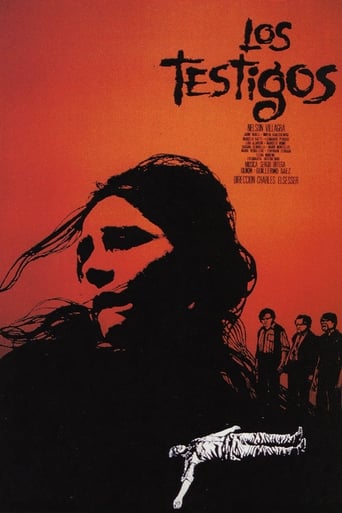
The Witnesses
Photoscience Manager, Director of Photography
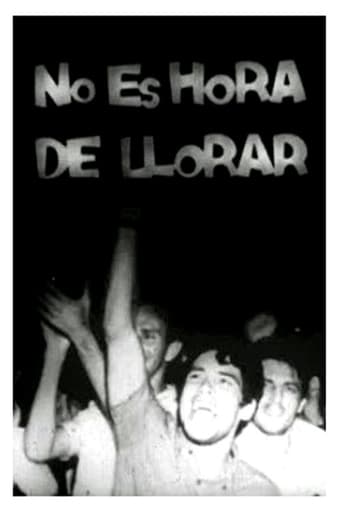
It's Not Time to Cry
Director of Photography
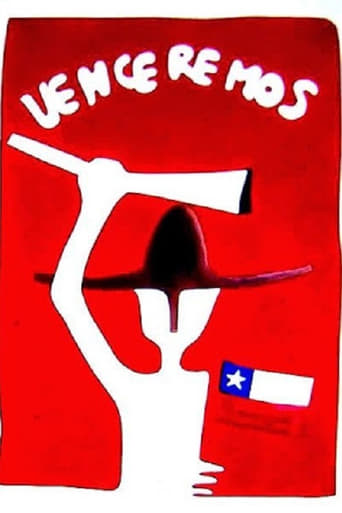
Venceremos
Director, Director of Photography
La colonia penal
1970
The Penal Colony
Photoscience Manager, Director of Photography
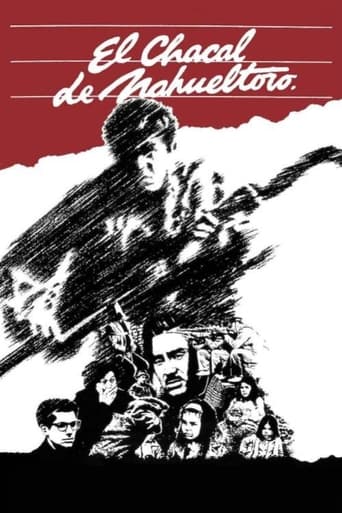
Jackal of Nahueltoro
Director of Photography
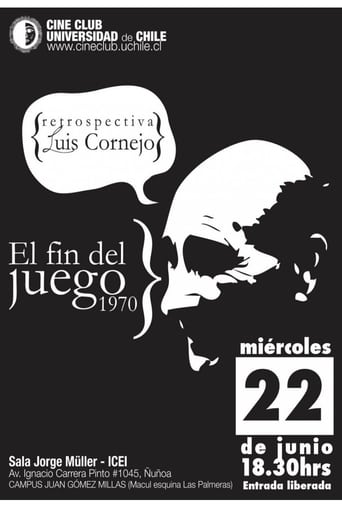
El fin del juego
Director of Photography
Desnutrición infantil
1969
Child Undernourishment
Director of Photography
Testimonio
1969
Testimony
Director of Photography
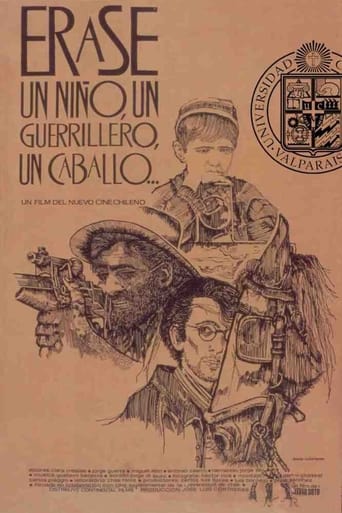
Érase un niño, un guerrillero, un caballo…
Director of Photography
El Analfabeto
1965
El Analfabeto
Director of Photography
Érase una vez
1965
Érase una vez
Director, Director of Photography
Angelito
Director of Photography
Aborto
1965
Abortion
Director of Photography, Writer
Aquí vivieron
1964
Aquí vivieron
Director, Producer
Yo tenía un camarada
1964
Yo tenía un camarada
Director of Photography

Deja que los perros ladren
Camera Department Manager